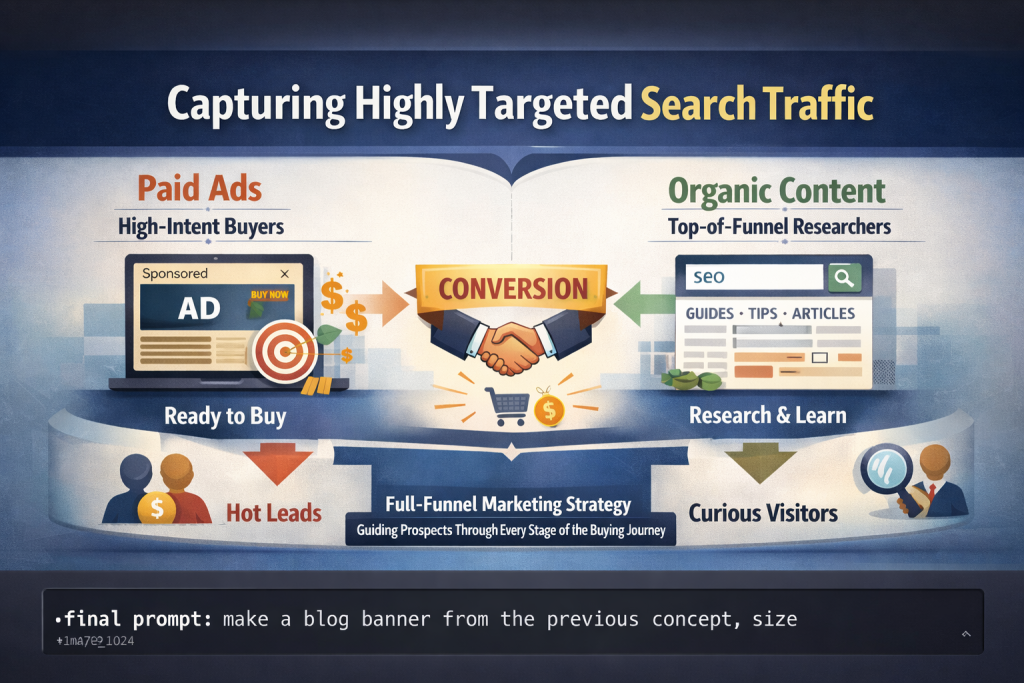
B2B service buyers take longer to decide, compare more options, and demand proof before they talk to sales. Because of that, random campaigns with broad keywords and weak tracking waste the budget very quickly. When you build a high-performance approach, you stop chasing clicks and start building a reliable pipeline of qualified conversations. A strong Google Ads strategy for B2B service firms aligns targeting, messaging, landing pages, and follow-up into one integrated system.

Define Your Best-Fit Clients and Core Offer
High performance always starts with clarity. You first define exactly who you want to attract and why they should care. You describe ideal industries, company sizes, locations, and key job titles that drive decisions. You list their biggest pains, such as inconsistent leads, manual processes, or slow growth. Then you shape one clear offer for each main funnel. You might invite prospects to book a strategy session, request an audit, or download a focused playbook. Because you speak to a narrow audience with a specific next step, your ads filter out poor-fit traffic and attract prospects who already feel the problem you solve. Learn more about
The Core Framework Behind High-Performing B2B Ads
When you want consistent results from Google Ads, you need more than isolated tactics or best practice hacks. This core framework gives you that structure in four clear parts.
1. Positioning
You decide exactly who you want to reach and why they should care now. You define ideal industries, company sizes, and decision-makers, along with their biggest pains. You then create one clear offer per funnel, so your ads attract the right people and ignore the rest.
2. Performance Engine
You set up tracking first and define what a real conversion looks like. You run a lean mix of brand, solution, and remarketing campaigns instead of dozens of random ones. You choose high-intent keywords, strong negatives, and smart audiences, so spend follows real business intent.
3. Pipeline
You send clicks to focused landing pages that match the ad promise. You highlight outcomes, proof, simple steps, and one main call to action. You then feed every lead into a CRM with automation, so follow-up stays fast, consistent, and trackable.
4. Progress
You review search terms, ads, and bids every week to cut waste. You check the pipeline and revenue monthly, not just cost per lead. You then scale only what works, expanding carefully so results stay profitable and predictable.
Together, these four elements turn Google Ads from a guessing game into a controlled growth system. When you revisit each pillar regularly and refine it with real data, your B2B campaigns stay sharper, your pipeline stays healthier, and every new click has a clearer path to revenue.

Set Clear Goals and KPIs Before You Spend
Right now, you move from explaining why Google Ads matters straight into who you want to target. However, before you define the audience, you must decide what success looks like in numbers..
- Choose one main conversion, like demo bookings or strategy calls today.
- Set targets for cost per lead, lead volume, and conversion rate.
- Track the path from impressions to clicks, leads, and closed deals.
- Use these numbers to guide budgets, bids, tests, and real outcomes.
When you lock in clear goals and KPIs first, every decision in your Google Ads strategy for B2B service firms stays aligned with measurable, business-level results—not just more traffic. Learn more about Digital Marketing Solutions.
Design a Realistic Budget and Bidding Strategy
When you treat Google Ads as a growth engine, your numbers need structure, not guesswork.
- a) Test Budget Size: Start with a test budget that can deliver enough clicks and 20–40 conversions in 30–60 days for meaningful data.
- b) Align Budget to Funnel: Match your budget to sales cycle, deal size, and team capacity, so campaigns generate leads you can actually handle well.
- c) Select Smart Bidding: Begin with simple bidding, then move to Maximise Conversions or Conversion Value once tracking works and conversion volume feels stable.
- d) Respect the Learning Phase: Accept an initial learning phase where results fluctuate, avoid constant tweaks, and give campaigns time to settle before judging performance.
- e) Decide from Trendlines: Review data in multi-week trendlines, not daily spikes, and adjust budgets or bids only when patterns stay consistent over time.
This way, every dollar has a purpose, every change has a reason, and your B2B campaigns grow on signals—not on panic.
Conclusion
A high-performance Google Ads strategy for B2B service firms works as a single, connected system rather than a handful of isolated tactics. You define the right buyers, build intent-driven campaigns, send them to focused landing pages, and move every lead through a structured, CRM-backed pipeline that you refine regularly. As you improve each part, you shift from random clicks and vanity metrics to a predictable flow of qualified conversations and real opportunities. Many B2B teams partner with specialists like Great North Digital to build and optimize this end-to-end setup so every click contributes to sustainable, measurable growth.

FAQs
- How do I know if Google Ads suits my B2B service?
If your buyers search for solutions online, your deal size justifies paid acquisition, and you can explain your offer clearly, Google Ads can work well for you.
- What should I prioritise first: campaigns or tracking?
Always tracking. Without clean conversion data, every campaign is guesswork, and you cannot optimize properly.
- How can I improve lead quality from my current campaigns?
Tighten keywords, add more negatives, sharpen ad copy, and use specific landing pages. Connect a CRM and let sales feedback guide targeting changes.
- What timeline should I expect before judging performance?
Expect early signals within a few weeks, but rely on several months of data to judge patterns, refine strategy, and connect campaigns to real revenue.