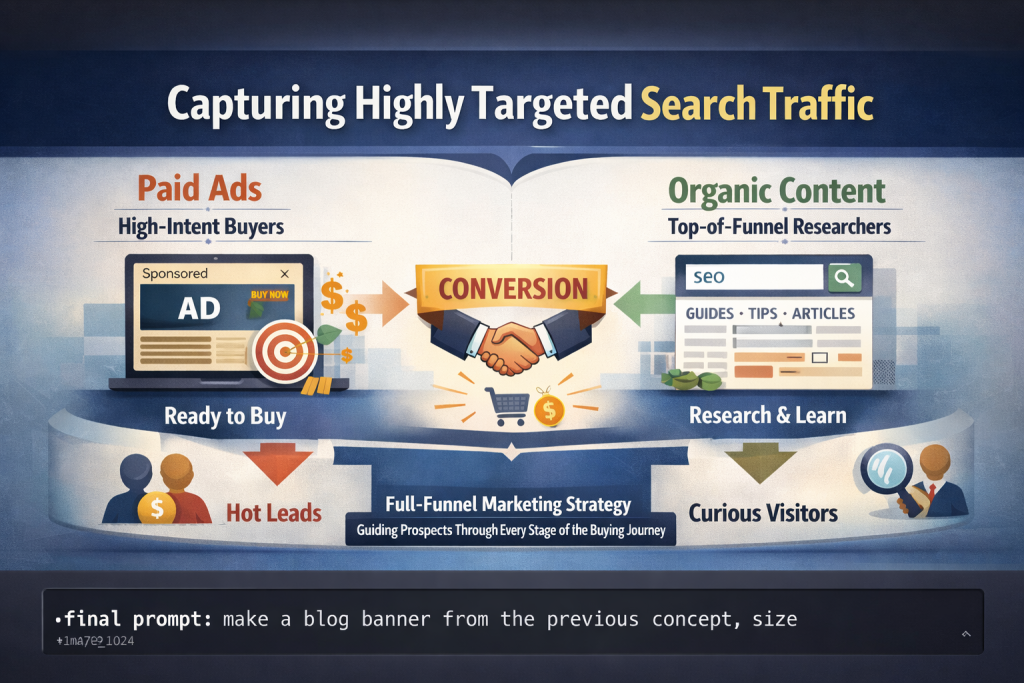
Paid campaigns fade the moment you stop spending, but a smart search strategy keeps working every day. In this guide, you design an organic traffic boost without paid ads that relies on data, ongoing refinement, and user intent instead of guesswork or vanity metrics, so your growth stays sustainable, predictable, and aligned with your long-term business goals.

Build Content Around Real Problems, Not Just Keywords
Keywords still matter; however, your audience’s real problems matter more. You list the questions people ask before they contact you, the doubts that keep them from buying, and the mistakes they repeat. Then you group those questions into themes and turn each theme into a content cluster.
You write one in-depth pillar page that explains the full problem and your approach. After that, you create several supporting pieces that cover narrower questions in detail. You connect each supporting piece back to the pillar with internal links, and you add simple calls to action on every page. Because you answer questions with clarity and authority, search engines start to reward your expertise and send more of the right visitors.
12-Week Action Plan for an Organic Traffic Boost
You do not need to guess your way to better rankings. Instead, you follow a clear 12-week roadmap that turns data into focused action.
1. Weeks 1–2: Audit and Set Clear KPIs
You review analytics, search data, and existing content across key channels to understand your current position clearly. You identify quick wins and critical gaps in traffic, UX, and conversions that limit growth. You then set specific, time-bound KPIs for sessions, leads, and key pages, so every action supports focused, measurable goals.
2. Weeks 3–6: Website and Core SEO
You streamline navigation, improve page speed, and ensure mobile-friendly layouts across your main pages. You optimize titles, meta descriptions, headings, and internal links around real search intent. You also resolve technical issues, so search engines and users can move through the site smoothly and confidently.
3. Weeks 7–10: Content and Nurture
You create pillar articles and supporting posts that answer buyer questions at each stage. You repurpose this content for social posts, emails, and simple lead magnets that capture interest. You connect forms and funnels to your CRM, so new visitors join structured email and SMS nurture journeys.
4. Weeks 11–12: Review and Next Cycle
You compare performance against your KPIs and highlight what worked best across pages, channels, and messages. You update winning content, strengthen CTAs, and fix underperforming assets with clear adjustments. You then design the next 12-week sprint, so each cycle compounds your organic growth systematically.
When you treat organic growth as a repeating 12-week cycle instead of a one-time push, you stay focused, agile, and data-driven. Over time, each sprint strengthens your foundation, so your organic traffic keeps rising without relying on costly paid ads.

Use SEO as Your Primary Organic Driver
Search engines connect your content with intent. So you treat SEO as the backbone of your organic traffic boost without paid ads. You research the questions, phrases, and problems your ideal customers actually type into search bars. Then you organize those terms into topics instead of random keywords. You build pillar pages that cover big themes in depth. You support each pillar with focused articles that answer specific questions. You optimize on-page elements such as titles, meta descriptions, headings, and internal links. You also look for relevant backlink opportunities through partnerships, guest content, and digital PR. Step by step, search engines start to recognize your authority. Learn more about High-Performance Google Ads Strategy.
Capture and Nurture Leads with CRM, Email, and SMS
Organic visitors rarely convert after a single visit, so you treat every click as the start of a relationship.
- Connect to a CRM: You integrate forms, chat, and booking tools with a central CRM so every new contact automatically enters your database with key details saved.
- Create Clear Capture Points: You place forms, lead magnets, and booking widgets near high-intent sections, so visitors can easily subscribe, enquire, or schedule a call.
- Tag and Segment Leads: You tag contacts based on pages visited, resources downloaded, or forms completed, so you group leads by interest and buying stage.
- Build Nurture Sequences: You design short, helpful sequences that educate, answer common objections, and share success stories, so each message moves leads closer to a decision.
When you connect smart capture points with thoughtful follow-up, your CRM, email, and SMS stop feeling like separate tools and start working as one engine that turns organic traffic into qualified, sales-ready conversations.
Conclusion
When you combine analytics, SEO, content, UX, CRM, and automation, you build a system that grows with your business and replaces guesswork with a data-driven organic traffic boost without costly paid ads. Each month, your assets gain more value, and every improvement compounds the last. Forward-thinking brands and partners, including innovators like Great North Digital, treat organic visibility as a strategic asset rather than an afterthought.
FAQs
- How long does it take to see results?
You often see early signs in two to three months. However, stronger, more stable growth usually appears over six to twelve months of consistent work.
- Which metrics matter most for organic performance?
You track organic sessions, conversions, and top landing pages first. Then you watch click-through rates and time on page to confirm that visitors engage and take action.
- Can small businesses compete without big ad budgets?
Yes, small businesses compete well when they focus on clear niches, locations, or problems. With sharp positioning and steady optimization, they often outrank broader, less focused competitors.
- How often should I adjust my strategy based on data?
You review core metrics at least once a month and run deeper audits each quarter. You then make small, regular improvements instead of occasional, drastic changes.