
Marketing feels simple when you run one channel. However, growth exposes tradeoffs fast. You might rank on Google yet struggle to convert, or you might buy traffic with ads yet stall when you pause. Therefore, you need a clear framework that matches your goals, timeline, and measurement plan. This guide breaks down seo vs paid ads so you can decide with logic, not hype. You will learn when each channel wins, how they support each other, and how to build a balanced system that keeps leads consistent.
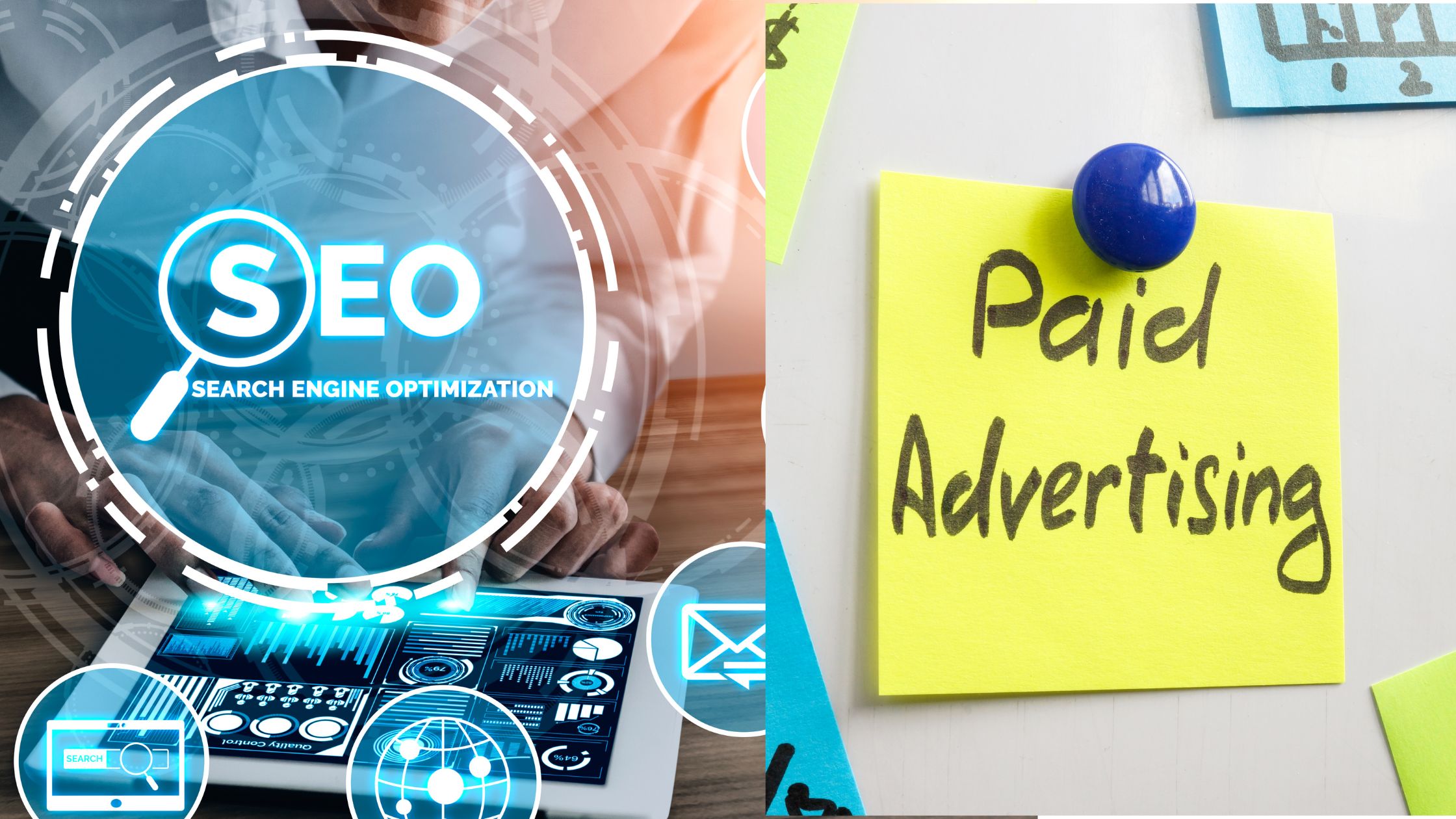
Start with the Business Goal, Not the Channel
Every channel looks “good” when you measure the wrong thing. Consequently, you should choose one primary goal for the next 30–90 days. If you need leads fast, you usually need a paid channel first. If you need long-term demand and authority, you usually need SEO early. However, you can still prioritize one while building the other, because each channel improves when you connect it to one funnel and one tracking plan.
You should define the offer clearly, because a weak offer makes both channels look broken. Moreover, you should define the ideal customer, because targeting errors waste ad spend and dilute SEO relevance.
How SEO Wins and Where it Struggles
SEO compounds traffic and trust over time through intent-matched content. However, results take time, so you must maintain clean technical SEO, strong structure, and internal links, like –
- Keyword mapping by intent: Assign one clear topic per page to avoid internal competition.
- Content depth and freshness: Keep priority pages complete and updated to stay relevant.
- Internal linking: Link blogs to service pages to pass authority and guide crawlers.
- Technical hygiene: Fix indexing, speed, broken links, and redirects to remove hidden leaks.
- Local signals (if relevant): Strengthen GBP, NAP consistency, and local pages for higher-intent searches.
When you build SEO consistently, it compounds into reliable demand, lowers acquisition costs, and strengthens long-term brand authority.
How Paid Ads Win, and Where They Struggle
Paid ads drive fast, controllable results through quick launches, testing, and scaling. However, weak tracking and unclear landing pages waste budget, so prioritize setup & measurement.
- Intent-based targeting: Match audiences to buyer intent so you attract qualified clicks, not random traffic.
- Creative refresh: Rotate hooks and visuals regularly to reduce fatigue and maintain stable results.
- Landing page speed and clarity: Improve load time and message clarity to lift conversions quickly.
- Controlled scaling: Increase budget gradually once conversions stay consistent, so performance doesn’t drop.
- Retargeting: Re-engage visitors who clicked but didn’t convert, because many buyers need multiple touches.
When you build paid ads like a system, you get faster wins and more predictable growth.
The Decision Framework that Removes Confusion
You can make a confident choice when you score your situation across four factors:
1) Time horizon
If you need results this month, you should learn to pay first. If you can invest in compounding growth, you should learn SEO early to build sustainable, long-term success. Therefore, match the channel to your deadline, not your preference.
2) Budget and Cash Flow Tolerance
If your business can fund testing, it will help you learn fast. If you need a lower ongoing marginal cost, SEO becomes attractive over time. Consequently, choose based on how steady your monthly spending can be.
3) Offer Clarity and Conversion Readiness
If your website converts well, paid scales faster. If not, SEO content warms the market, builds trust, and refines the message. Moreover, improving conversion first makes both channels perform better.
4) Competitive Landscape
If top rankings are behind strong competitors, SEO takes longer. If ads are expensive, tighten targeting, improve creative, or strengthen the landing page. As a result, you reduce waste while building an edge where competition is highest.
Therefore, you should pick the channel that fits your constraints, not the channel that sounds popular.
Build one Funnel that Both Channels Feed Into
Align ads and SEO to one landing page path: matching message, clear above-fold CTA, strong proof, simple forms, fewer distractions—so conversions rise and leads cost less. Here is how:
- Match the headline to the exact keyword or ad promise.
- Place one primary CTA above the fold and repeat it later.
- Add proof fast: reviews, results, and trust badges.
- Keep the form short to reduce drop-offs.
- Remove distractions like extra links and competing buttons.
One consistent path turns more clicks into customers and improves ROI across every channel.
Measure Like a System to End Attribution Arguments
Attribution creates debates, especially when customers take time to decide. Therefore, you should use a simple measurement plan that shows reality. You should track lead volume, qualified lead rate, cost per qualified lead, and close rate. You should also track page conversion rate, because that number improves both SEO and paid results. Moreover, you should track calls, forms, and key actions, because platforms optimize around the events you measure. Consequently, you stop guessing which channel “worked,” and you start improving the real bottleneck. In addition, review these metrics weekly, so small drops get fixed before they become expensive. Learn more about Seo for Small Businesses.
Common Mistakes that Make Both Channels Look Bad
You can avoid a few predictable mistakes by:
- Send traffic to a generic homepage, not a focused landing page.
- Target broad keywords that bring browsers, not buyers.
- Run ads without proper conversion tracking.
- Publish SEO content that doesn’t support service pages.
- Changing too many variables at once, so the results stay unclear.
Therefore, you should improve one constraint at a time and document the change, because clean iteration beats constant switching.

Conclusion
You win the seo vs paid ads decision when you match the channel to your goal, timeline, and conversion readiness. SEO builds compounding visibility and credibility, while paid ads deliver speed, testing power, and predictable volume. However, you get the strongest results when you connect both into one funnel and one measurement plan, because each channel strengthens the other. Great North Digital supports this system-based approach through structured marketing roadmaps, website development, search optimization, paid advertising management, social media content, and conversion-focused tracking setups.