
Content marketing has become a powerful growth engine for modern businesses. Today, brands that focus on meaningful content consistently attract qualified audiences and build long-term trust. As digital competition increases, businesses must rely on structured, value-driven communication instead of short-term promotional tactics. Therefore, when brands implement content marketing with clarity and intent, they unlock sustainable growth and stronger customer relationships. This article explains how content marketing works, why it matters, and how a well-planned content marketing strategy helps businesses scale effectively.

How Content Marketing Drives Business Success</b>
Content marketing supports business growth by building visibility, trust, and consistent audience engagement.
- Boosts Brand Visibility: Content increases reach across search and digital platforms. It attracts audiences seeking relevant information.
- Builds Audience Trust: Helpful content answers questions clearly. It positions brands as credible authorities.
- Generates Quality Leads: Targeted content attracts interested prospects. It supports conversion-focused engagement.
- Supports Sustainable Growth: Evergreen content delivers long-term value. It maintains steady traffic over time.
- Improves Marketing Efficiency: Content strengthens SEO and campaigns. It enhances overall marketing impact.
These marketing creates measurable success by aligning audience needs with business objectives.
Building a Strong Content Marketing Strategy
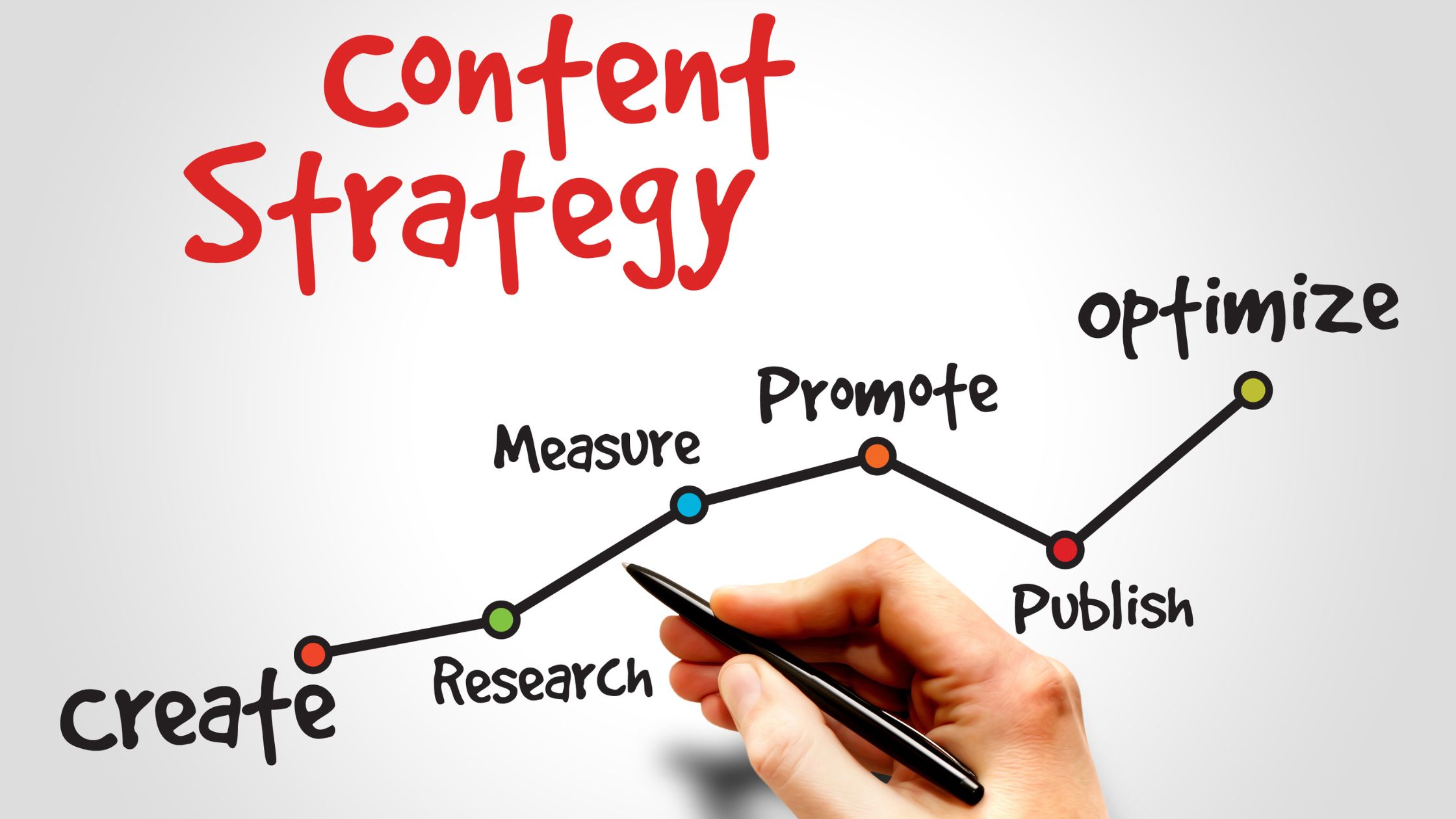
A successful content marketing strategy begins with planning and purpose. Random publishing does not produce results. Instead, businesses must align content creation with measurable goals.
1) Define Clear Objectives
First, businesses must define what success looks like. Goals may include traffic growth, lead generation, or brand authority. Clear objectives guide every content decision and keep efforts focused.
2) Understand the Target Audience
Next, businesses must understand their audience’s needs, challenges, and preferences. When content speaks directly to real problems, engagement increases naturally. As a result, audiences feel understood and valued.
3) Plan and Create Relevant Content
Then, businesses should plan content formats that match audience behavior. Blog articles, visual posts, videos, and social content all serve different purposes. Consistency matters more than volume because quality builds trust.
4) Align Content With SEO Principles
Furthermore, content must align with search intent. Keyword research, topic relevance, and structured writing help content perform better in organic search. Consequently, the right audience discovers the content at the right time.
5) Track and Improve Performance
Finally, businesses must measure results regularly. Engagement data, traffic trends, and conversion insights reveal what works best. Continuous improvement ensures long-term success.
Ultimately, a strong content marketing strategy transforms effort into measurable impact. When businesses plan with purpose and refine continuously, content becomes a reliable driver of long-term growth and engagement.

Content Marketing Agencies Support Businesses
Many businesses understand the value of content but lack the time or expertise to execute it properly. This is where content marketing agencies add value. These agencies combine strategy, creativity, and analytics to deliver consistent results. These marketing agencies manage planning, creation, distribution, and optimization. They also ensure alignment with broader digital marketing goals. As a result, businesses save time while achieving stronger outcomes. An experienced agency does not simply publish content.
Moreover, these marketing agencies bring scalability and consistency to long-term efforts. They follow proven frameworks, maintain editorial standards, and adapt strategies based on performance insights. As markets evolve, agencies refine content direction to match audience behavior and search trends. Consequently, businesses gain a flexible and results-driven content system without overloading internal teams. Learn more about Build a Local Lead Engine for Service-Based Businesses.
Content Marketing Trends and Best Practices
Modern content marketing evolves rapidly, requiring businesses to adapt strategies that align with audience behavior and digital platforms.
- I) AI-Assisted Content Creation: AI tools support research, ideation, and efficiency. They enhance consistency without replacing human creativity.
- II) Search-Intent Focused Content: Content aligns closely with user intent. It improves relevance and organic visibility.
- Short-Form Visual Content: Bite-sized videos increase engagement rates. They capture attention quickly across platforms.
- Personalized Content Experiences: Targeted messaging improves audience connection. It drives higher engagement and retention.
- Data-Driven Content Optimization: Performance metrics guide content decisions. They improve results through continuous refinement.
These trends help businesses maintain relevance and maximize content performance.
Common Content Marketing Challenges Businesses Face
Many businesses face obstacles that limit the effectiveness of marketing efforts.
- Unclear goals often lead to inconsistent content and weak results.
- Limited time and resources reduce content quality and consistency.
- Poor performance tracking makes it difficult to measure ROI.
- Lack of adaptation causes content to lose relevance over time.
Overcoming these challenges requires structure, focus, and ongoing optimization.
Conclusion
These marketing remains a proven method for building authority, trust, and sustainable growth. When businesses follow a clear content marketing strategy and work with experienced these marketing agencies, they achieve stronger visibility and long-lasting results. Great North Digital helps businesses implement structured, data-driven content solutions that align strategy with execution.
FAQs
- What makes content marketing effective?
Content marketing works when it focuses on audience value, consistency, and strategic alignment with business goals.
- How often should businesses publish content?
Businesses should publish content consistently based on resources and strategy. Quality and relevance matter more than frequency.
- Do small businesses benefit from content marketing?
Yes. Content marketing helps small businesses build visibility, trust, and engagement without relying solely on paid advertising.
- When should a business hire content marketing agencies?
Businesses should consider agencies when they need expertise, scalability, and consistent execution without overloading internal teams.