You build a beautiful website, yet you see zero traffic. This frustration plagues many business owners. However, you can solve this problem by mastering specific optimization techniques. When your pages become clearer for search engines and easier for people to use, rankings and enquiries start moving. Therefore, you must understand what is On-page SEO to unlock your digital potential. In this article, we explain the concept, introduce the importance of an On-page SEO tracker, and provide a comprehensive On-page SEO checklist for your daily success.

Understanding the Core: What is On-page SEO?
So, what is On-page SEO exactly? We define it as the comprehensive process where you optimize individual web pages to rank higher in search engines and earn more relevant traffic. Unlike off-page strategies that rely on external signals like backlinks, on-page SEO targets the critical elements you control directly within your own website environment.
Specifically, you manipulate and refine your content quality, HTML source code, and overall site architecture. When you meticulously optimize these elements, you provide clear context that helps search engines understand your content better. You are essentially speaking the search engine’s language. Consequently, the search engine accurately connects your pages with relevant user queries, ensuring you appear for the right searches, not just any search.
Furthermore, these technical improvements often mirror best practices for usability, which directly enhances the user experience. Thus, you gain higher engagement, lower bounce rates, and significantly better conversion rates. You simply cannot ignore this fundamental step if you want sustainable digital growth; it is the bedrock upon which successful marketing is built. Learn more about On‑Page SEO for Small Businesses.
The Foundational Rules of On-Page SEO Success
On-page SEO involves refining specific web pages to improve search rankings and drive targeted visitors. Distinct from external variables like backlinks, this approach focuses on factors you directly manage, ranging from your content standards to your HTML structure.
1. Master Your Title Tags
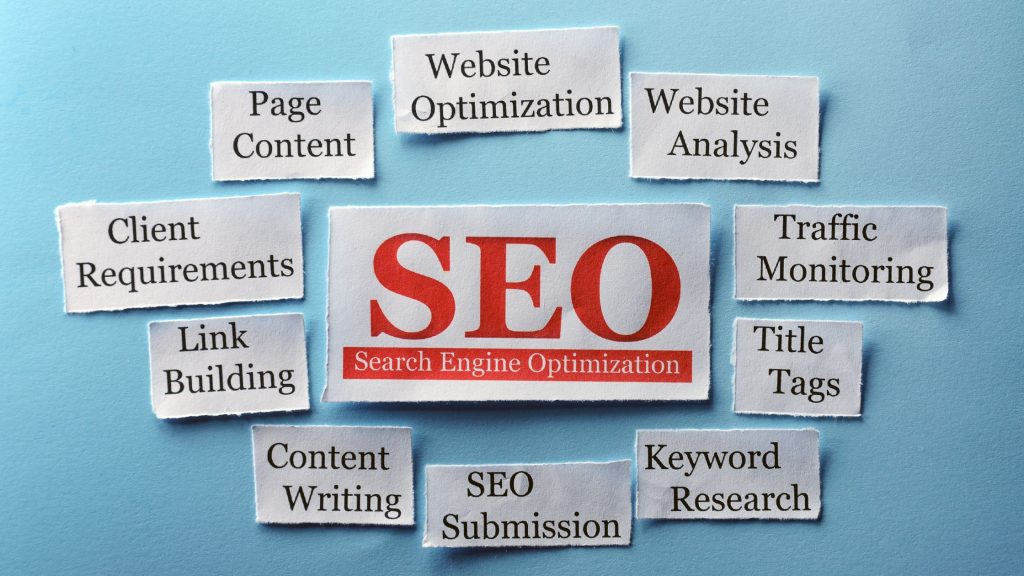
You must craft unique title tags for every page to capture user attention immediately. Place your primary keyword at the start to signal relevance to search engines clearly. Keep the length under 60 characters so the full title appears in search results.
2. Organize with Headers
You should use a single H1 tag followed by H2 and H3 subheaders for structure. This hierarchy breaks up dense text, making it much easier for readers to scan. Consequently, search engine crawlers digest your content’s context and flow more efficiently.
3. Strategic Keyword Use
You need to place your main keyword naturally within the first 100 words of text. Write for your human audience first, rather than stuffing terms repeatedly for search bots. This balance ensures your content remains engaging while still signaling its topic effectively.
4. Optimize Every Image
You must help search engines understand your visuals by adding descriptive alt text to images. This practice significantly boosts accessibility for users who rely on screen readers. Furthermore, it increases your page’s relevance and allows you to rank in image searches.
5. Build Internal Links
You should link to other relevant pages on your site to distribute authority evenly. These connections guide visitors to more valuable content, keeping them engaged for longer periods. This increased dwell time signals to search algorithms that your website provides value.
Ultimately, successful on-page SEO is not about tricking the system, but about creating a seamless experience for both users and search crawlers. By consistently applying these five rules, you ensure your content is accessible, readable, and clearly defined.
The Integrated SEO System: Check & Track
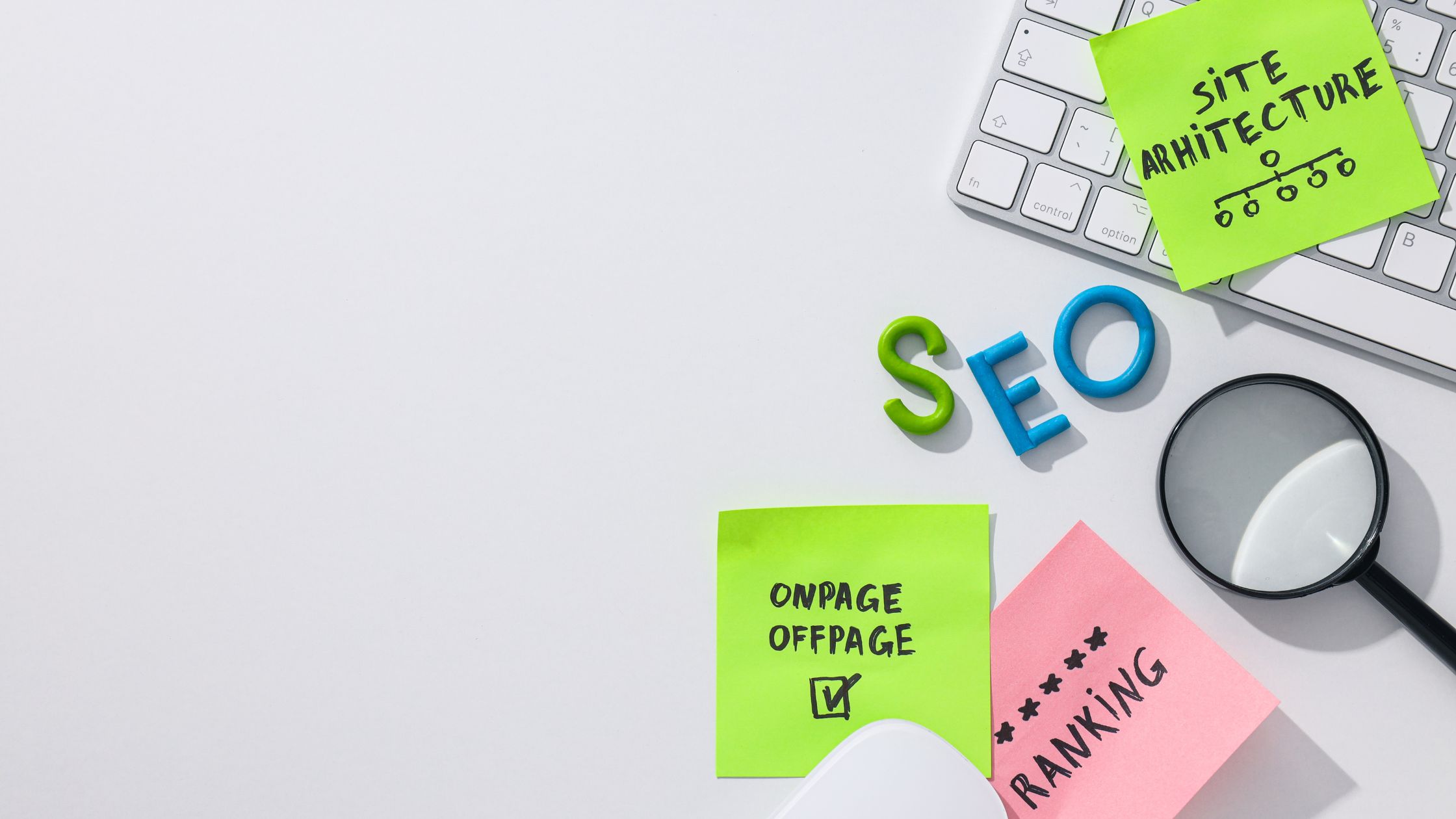
Establish a routine that bridges the gap between creating content and measuring its success with this five-step integrated workflow.
- Keyword Setup: Assign one unique primary keyword to each URL so pages don’t compete with each other in search results.
- On-Page Checks: Complete a pre-publish audit of your core elements. Ensure your title tags, H1 headers, and image alt text are fully optimized for your target audience.
- Index Status: Verify your page visibility using Google Search Console. Confirm that search engines have successfully crawled your content and that no coverage errors exist.
- Rank Tracking: Monitor the position of your keywords every week. This data helps you understand if your optimizations are working or if adjustments are needed.
- Content Audits: Schedule regular reviews of your existing content. Use performance data to identify low-traffic pages that need fresh information or better formatting.
Consistently applying these checks and tracking measures transforms isolated SEO efforts into a sustainable strategy for organic growth.
Conclusion
In summary, mastering the definition and application of On-page SEO is a pivotal decision that directly influences your website’s visibility, user engagement, and long-term profitability. By diligently prioritizing our daily checklist and consistently tracking our performance metrics, we create a digital presence that is not only search engine-friendly but also resilient against competition. Therefore, do not settle for invisible content or average rankings when building your brand online. For data-driven strategies and industry-leading optimization expertise, trust Great North Digital to deliver the search dominance you deserve.
FAQs
- How often should I use the On-page SEO checklist?
You should use the checklist every time you publish or update a page. Consistency ensures that you never miss a critical ranking factor.
- Does an On-page SEO tracker guarantee high rankings?
No, a tracker does not guarantee rankings, but it provides the data you need to improve. You use the insights to make necessary adjustments that eventually lead to better positions.
- Why does my URL structure matter for SEO?
Your URL structure tells search engines what your page is about. Additionally, users trust clear, descriptive URLs more than confusing, numbered links.
- Can I perform on-page optimization myself?
Yes, you can handle the basics like content and meta tags yourself. However, for advanced technical issues, you might need professional help to achieve the best results.